
Published on 12 April 2026
Description:
IPT Spring 2026 is now live! Read on for fascinating articles about well-planned early-phase development from CARBOGEN AMCIS, pH-responsive internalisation assays from Revvity, and advanced contamination detection systems from Mettler-Toledo, plus lots more. IPT's Product News section is back! Showcasing the new, exciting advancements in pharma manufacturing.
24 articles from this collection:
Innovations in Pharmaceutical Technology Spring 2026
IPT Spring 2026 is now live! Read on for fascinating articles about well-planned early-phase development from CARBOGEN AMCIS, pH-responsive internalisation assays from Revvity, and advanced contamination detection systems from Mettler-Toledo, plus lots more. IPT's Product News section is back! Showcasing the new, exciting advancements in pharma manufacturing.
Rousselot
gelma.com

IPT Spring 2026 contents
IPT Spring 2026 contents page!

Editorial Desk Spring 2026
We’re past the Spring equinox, and despite some tempestuous weather, it looks like the world is ready to move on from a gloomy Winter into something bursting with promise. The pharmaceutical technology industry is always evolving, and this issue of IPT is testament to the sector’s push for excellence.
Product News - Spring 2026 Edition
IPT highlights some of the most recent exciting advancements in pharmaceutical manufacturing
From mouse to medicine: the future of NIR-II FGS
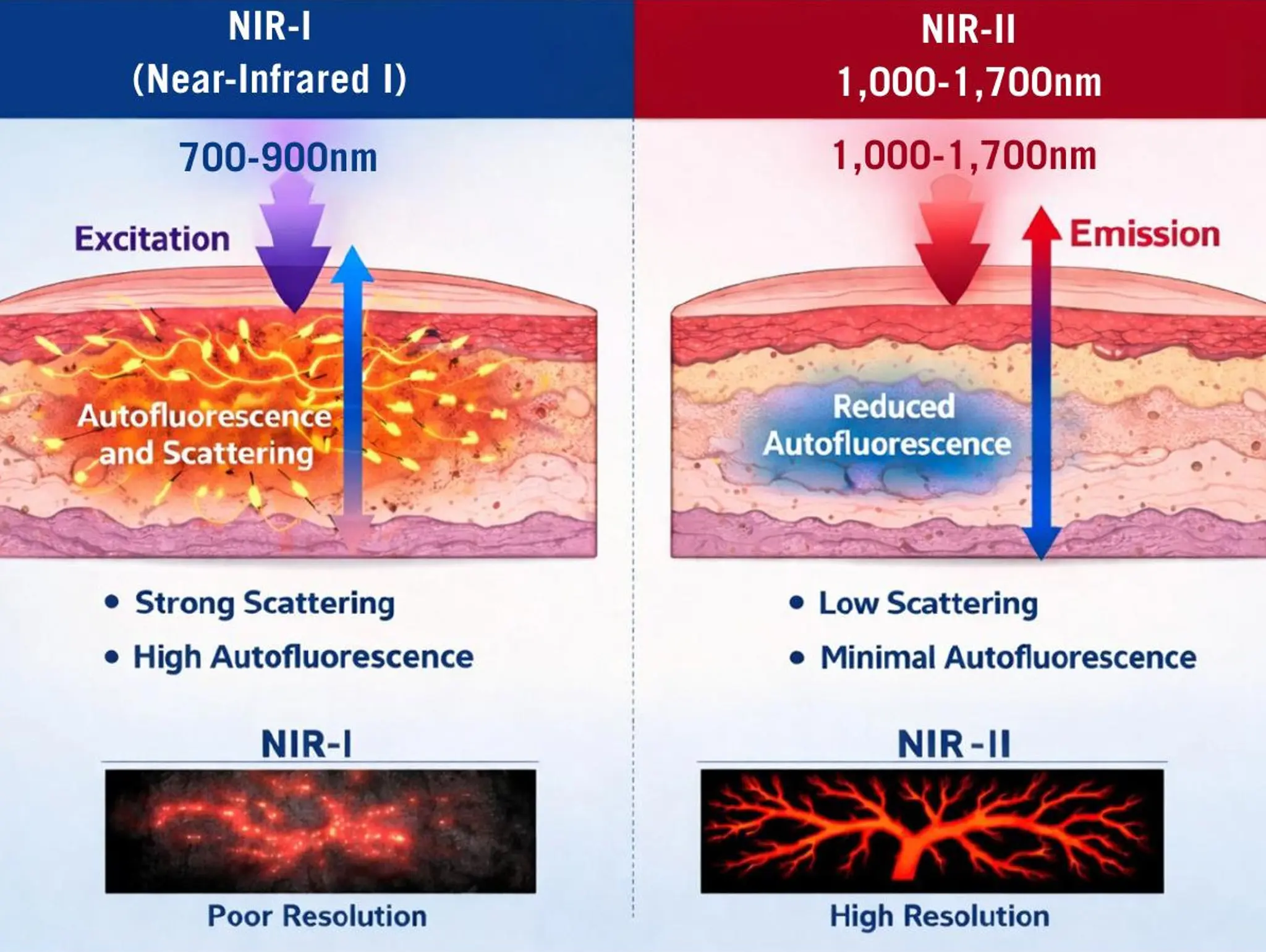
As near-infrared imaging advances beyond the NIR-I window, a new generation of NIR-II fluorescent probes is redefining intraoperative visualisation. With improved tissue penetration, reduced scattering and enhanced signal-to-background ratios, these next-generation agents are expanding in vivo applications and opening new perspectives for precision surgery
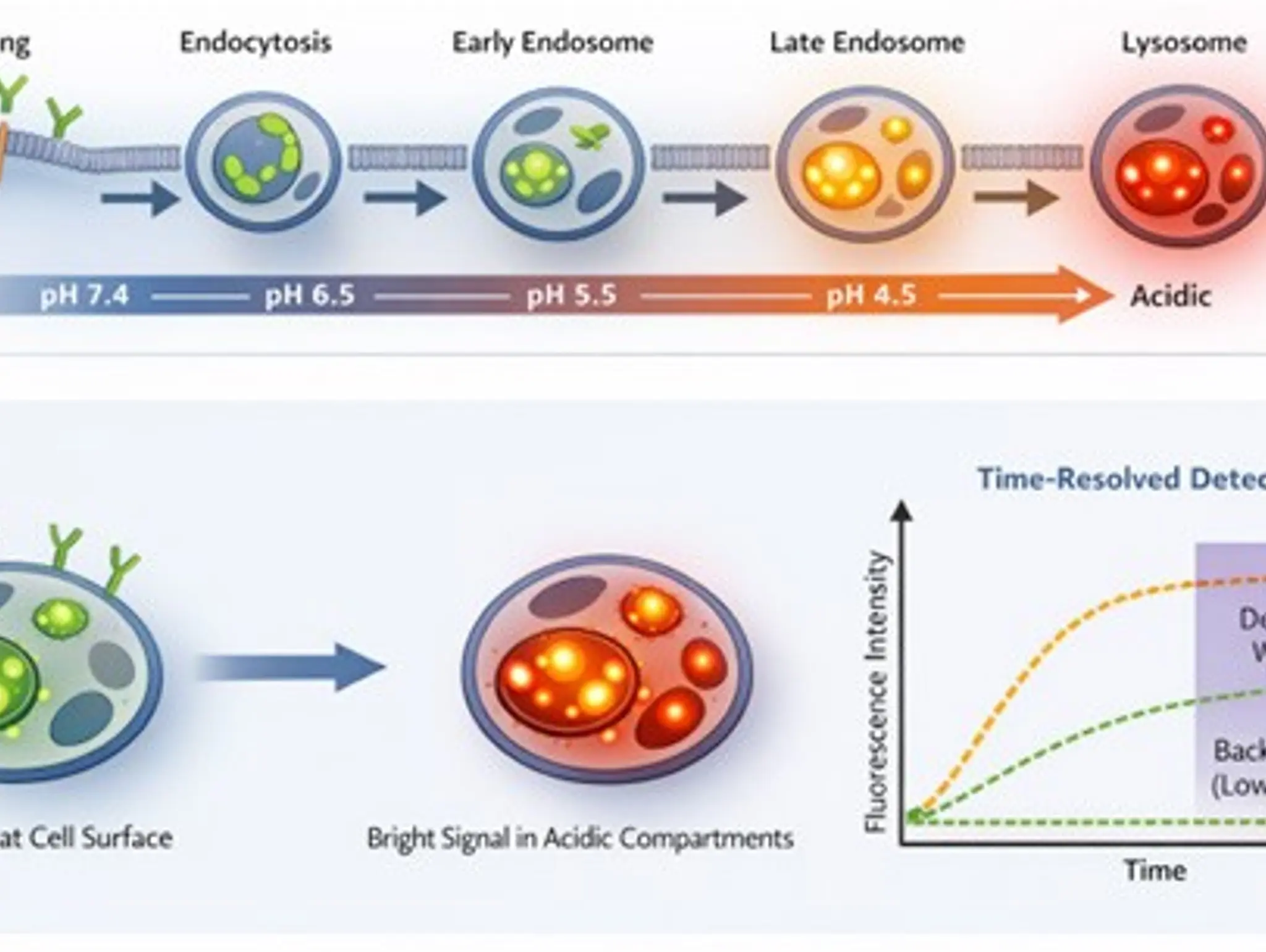
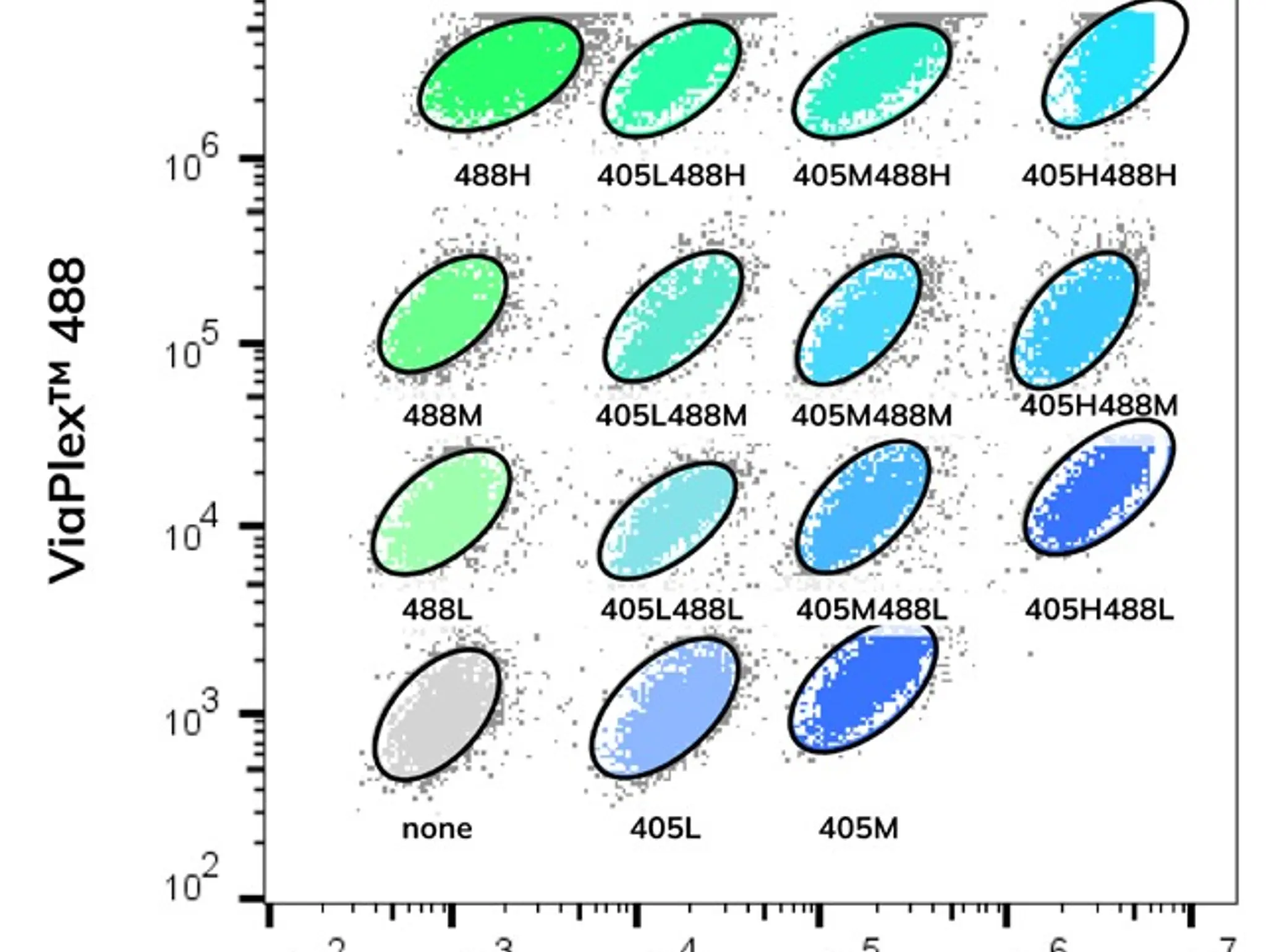
Seeing what matters: how pH-responsive internalisation assays are reframing MoA in pharma
As targeted modalities proliferate, the ability to quantify ligand, antibody and receptor trafficking into acidic compartments at scale and in near real time is giving teams a far more direct read on drug activity. pH-responsive imaging and sensing approaches are unlocking higher throughput and more physiologically relevant internalisation readouts that bridge discovery, screening and translational workflows, helping to close the long-standing gap between beautiful microscopy

Unveiling the function with multi-omics
As scientists continue to explore the vast web of life’s molecular setups, it has become increasingly clear that a singular approach, focusing narrowly on genomics, transcriptomics or proteomics, can no longer encompass the full picture of cellular biology. The integration of multi-omics has emerged as a transformative methodology, combining the study of DNA, RNA and protein layers along with metabolites to illuminate the complexities of life at an unprecedented depth.
Laboratory news
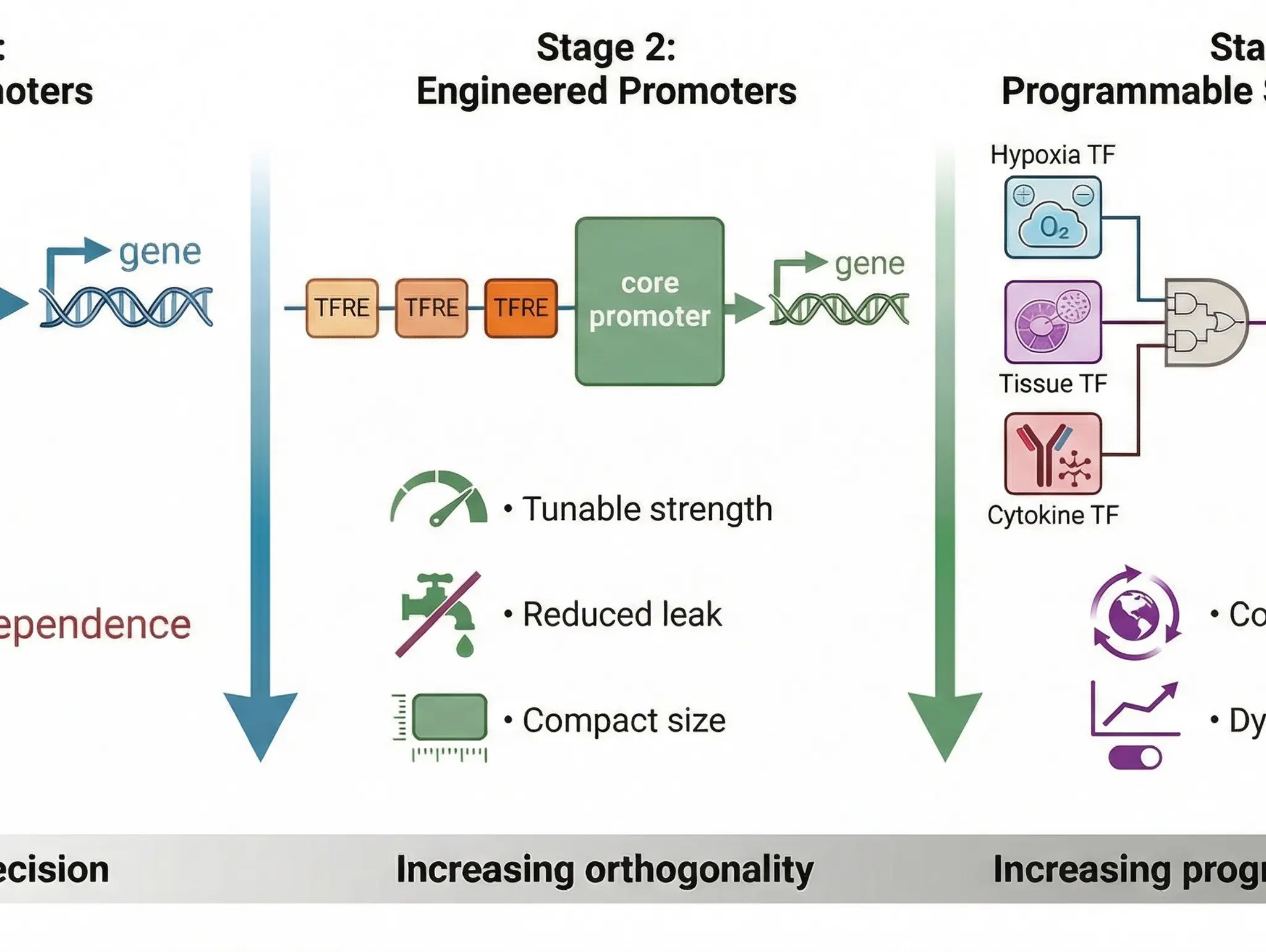
Designing genetic control: synthetic promoters powering modern therapeutics and biomanufacturing
How is the synthetic design of genetic elements, such as promoters for cell and gene therapies and biologics, improving development and manufacturing?

How AI&ML are changing the landscape of pharma technology
From target identification and molecular design to process optimisation and quality control, artificial intelligence and machine learning are being positioned as transformative enablers across the pharma landscape. However, as adoption accelerates, it is becoming clear that the impact of these technologies is not determined solely by model sophistication or computational power. Rather, their effectiveness is fundamentally constrained by the availability, quality and structure

From AI tools to AI ecosystems: why lab sciences companies are rethinking partnership models
How are deliberately structured artificial intelligence ecosystems integrating the tools scientists already rely on, enabling innovation while preserving provenance, governance and confidence across the drug discovery and development life cycle?

The digital symmetry of virtual pharma: architecting orchestration in an age of fragmentation
How are digital innovations offering a new way of working for contract development and manufacturing organisations?
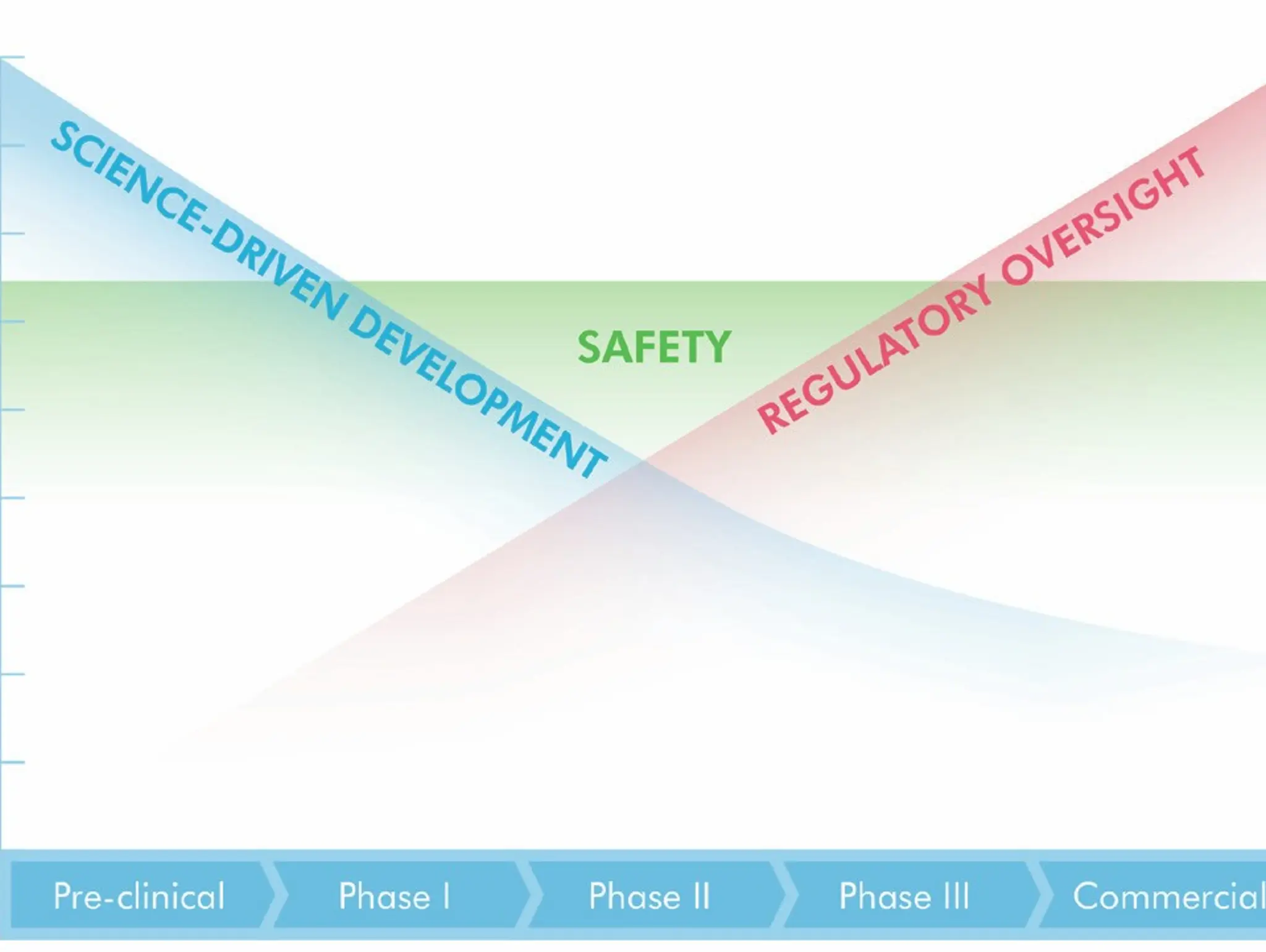
Rethinking early phase development: how to move quickly without creating downstream risk
Early-phase development has always required urgency. Today, that urgency is shaped by a more complex set of pressures than ever before. Competitive intensity, milestone-driven financing structures and expanding regulatory expectations are redefining how biotech and virtual pharma companies approach the earliest stages of development.
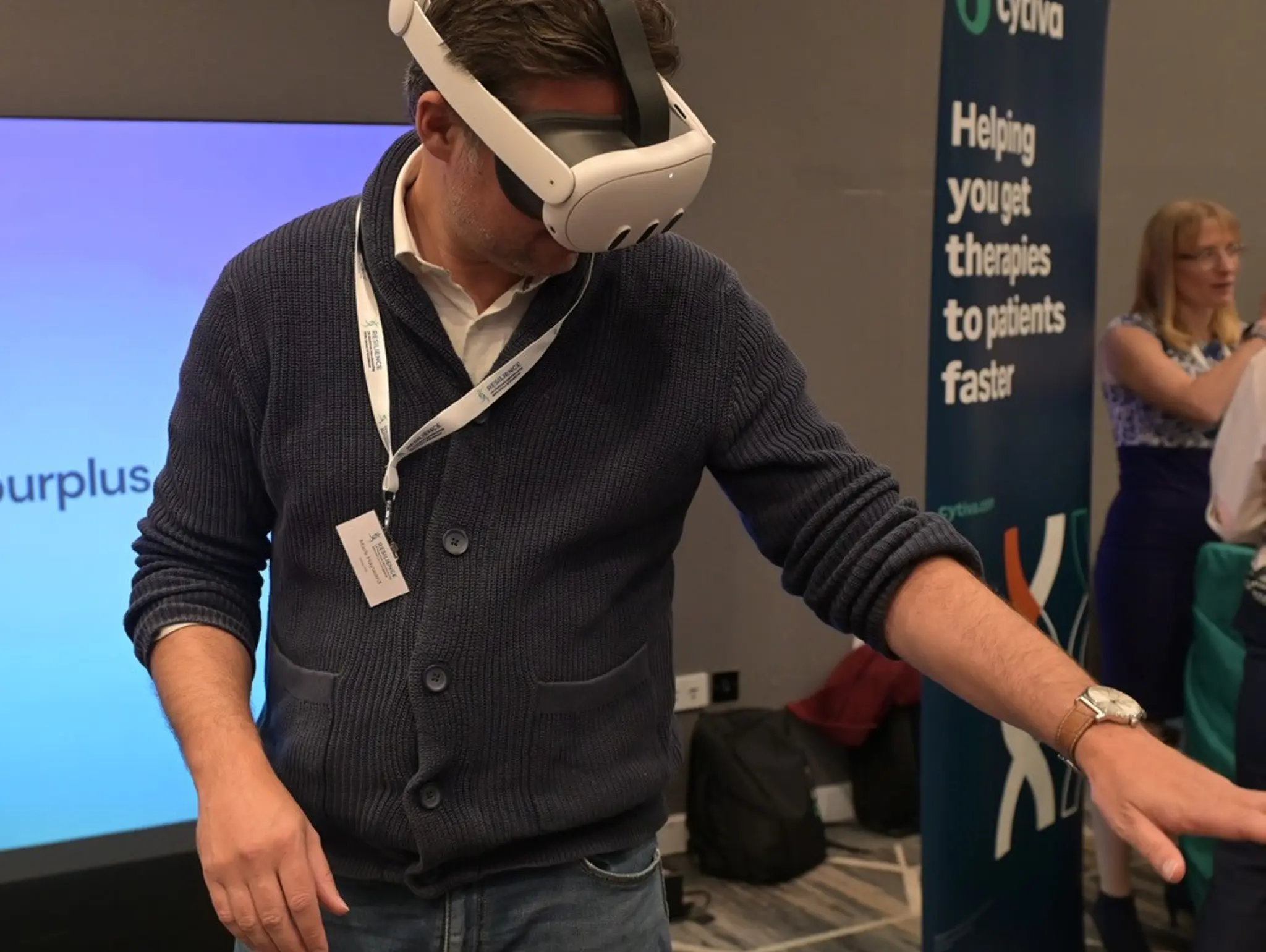
Communication breakdown: why soft skills are more important than ever in life sciences
How are life sciences organisations embracing new technologies to help develop soft skills, hopefully mitigating issues seen in the pharma manufacturing sector?

The future is gloveless
The future of aseptic pharmaceutical manufacturing is gloveless, but what might sound like a bold vision is already turning into reality today
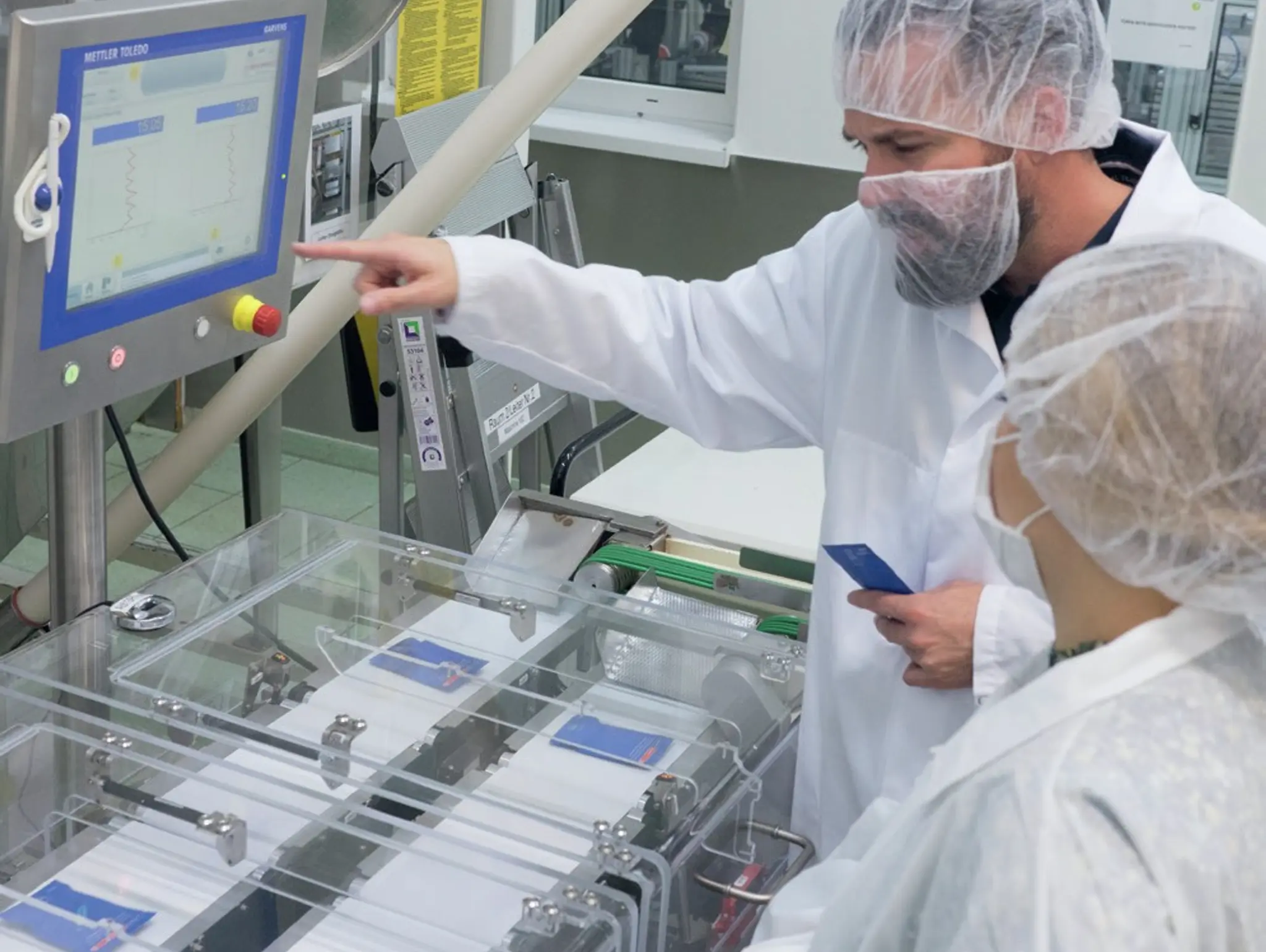
Advanced contamination detection systems in GMP manufacturing
Miriam Krechlok from Mettler-Toledo Product Inspection speaks to IPT about advanced contamination detection systems and how these are utilised in pharma manufacturing to ensure seamless and good manufacturing practice-compliant products
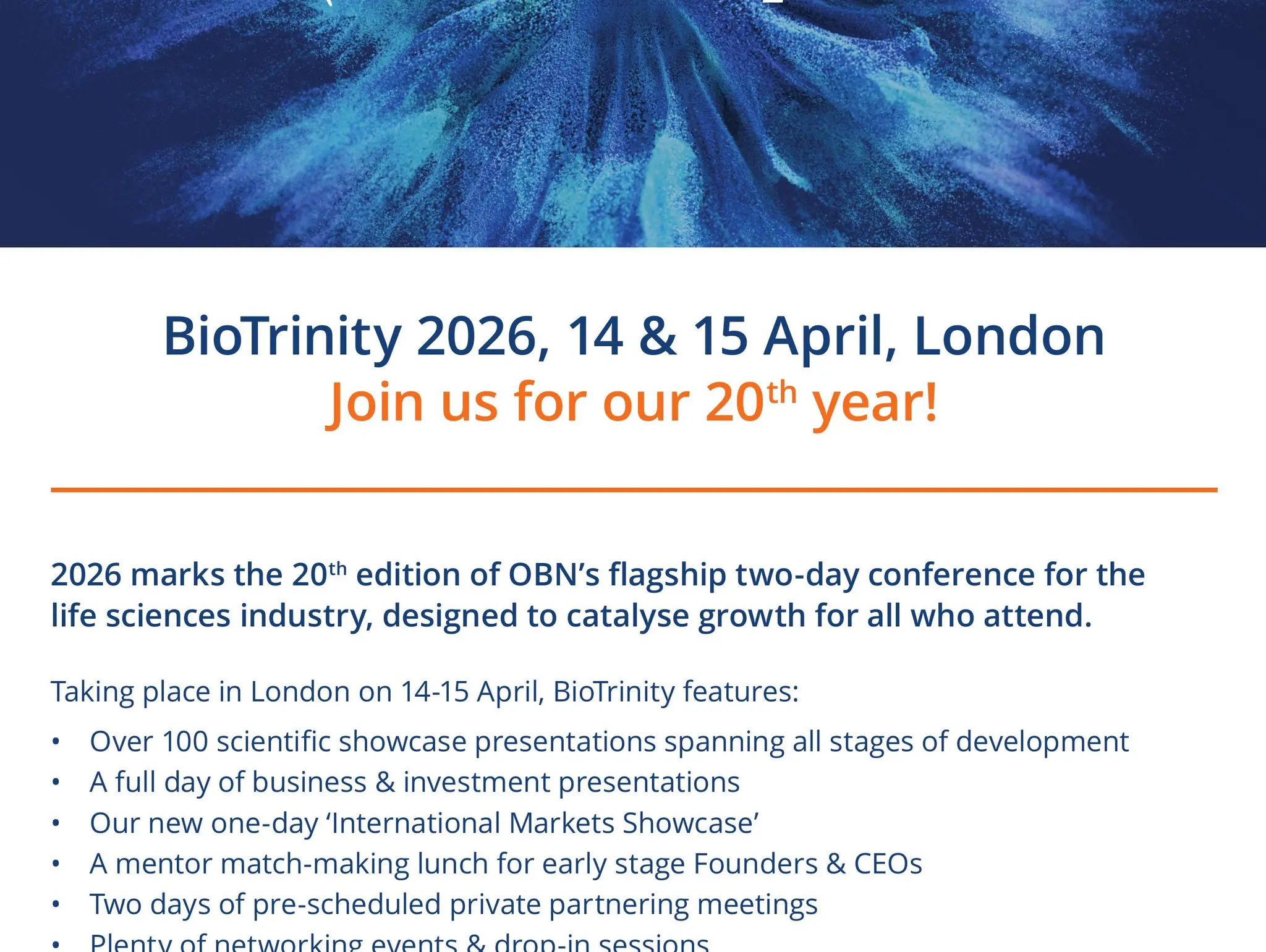
OBN's BioTrinity

The rise of integrated, digital-first clinical lab systems: three key advances
What is the value of site-to-lab digitalisation, lab trial management systems, and end-to-end biobanking and specimen life cycle management in improving clinical labs?
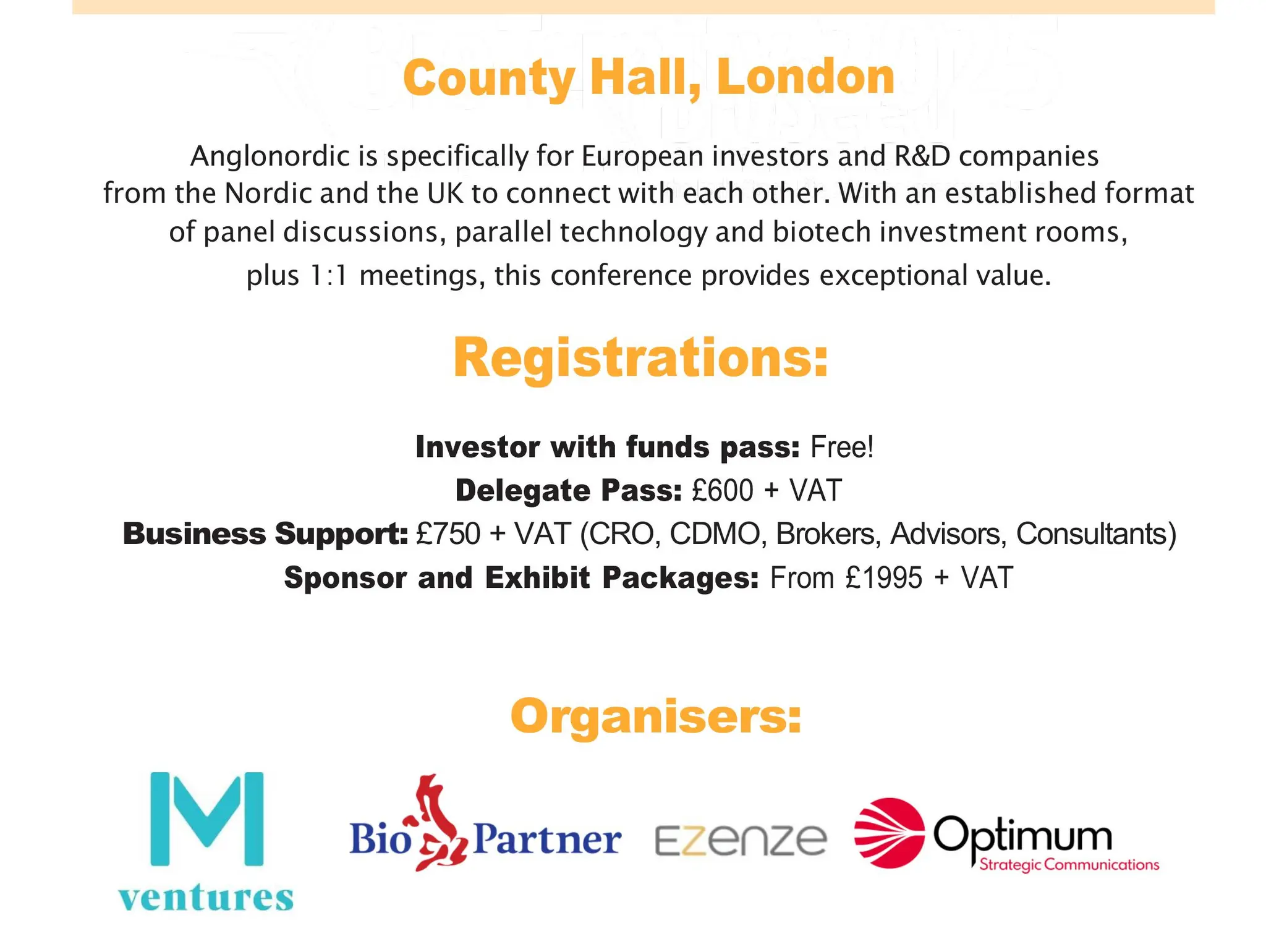
ANGLO NORDIC
https://www.anglonordiclifescience.com
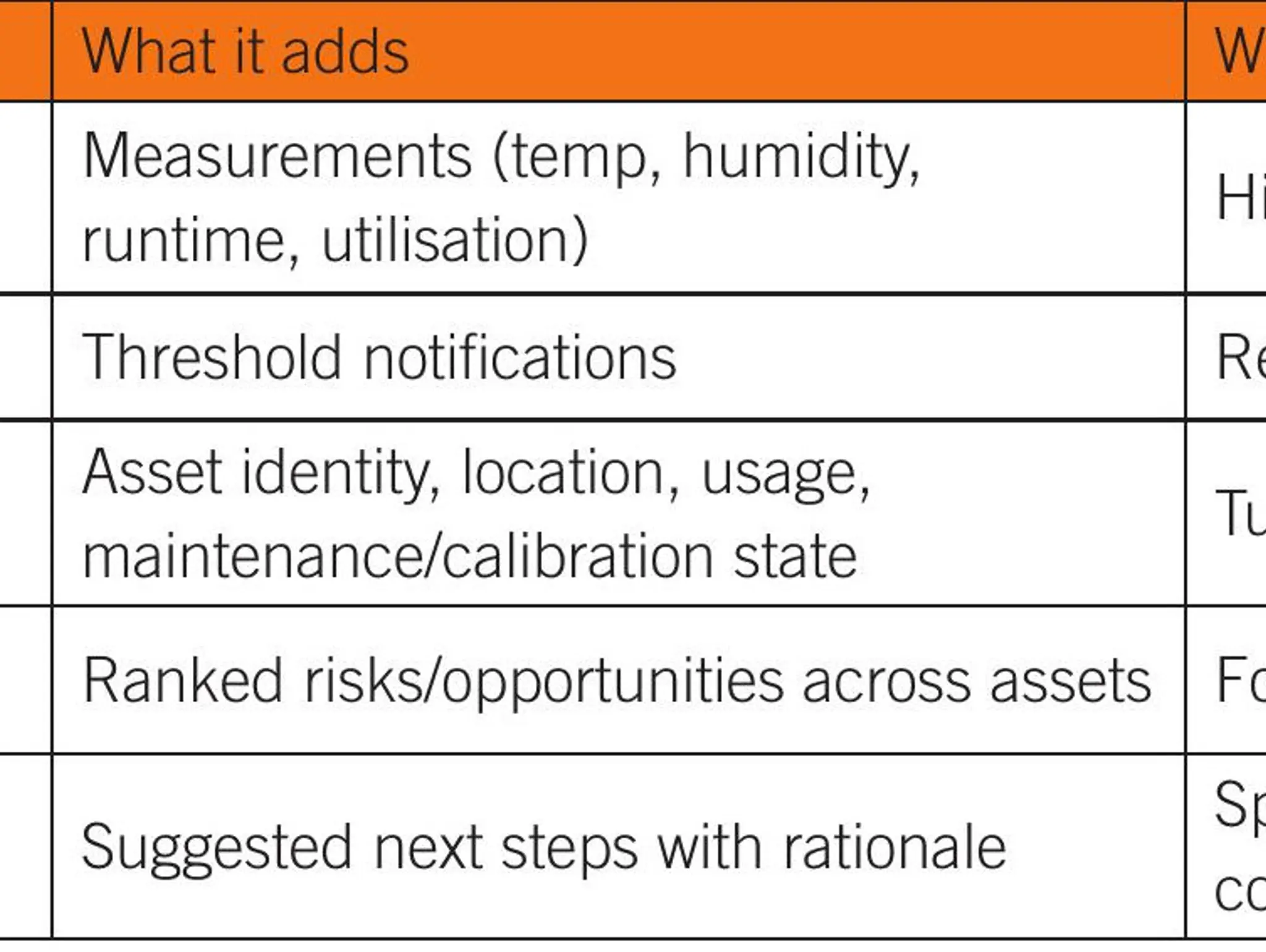
Agentic AI systems in life sciences labs
Life sciences labs generate enormous volumes of equipment and environmental data, yet many teams still struggle to translate signals into timely, confident action. Agentic artificial intelligence systems can reason within context, prioritise what matters and recommend next steps, offering a shift from reactive alerting to operational decision support.

EVENTS
The pharma technology events for Spring 2026.

Making Pharmaceuticals
www.makingpharma.com
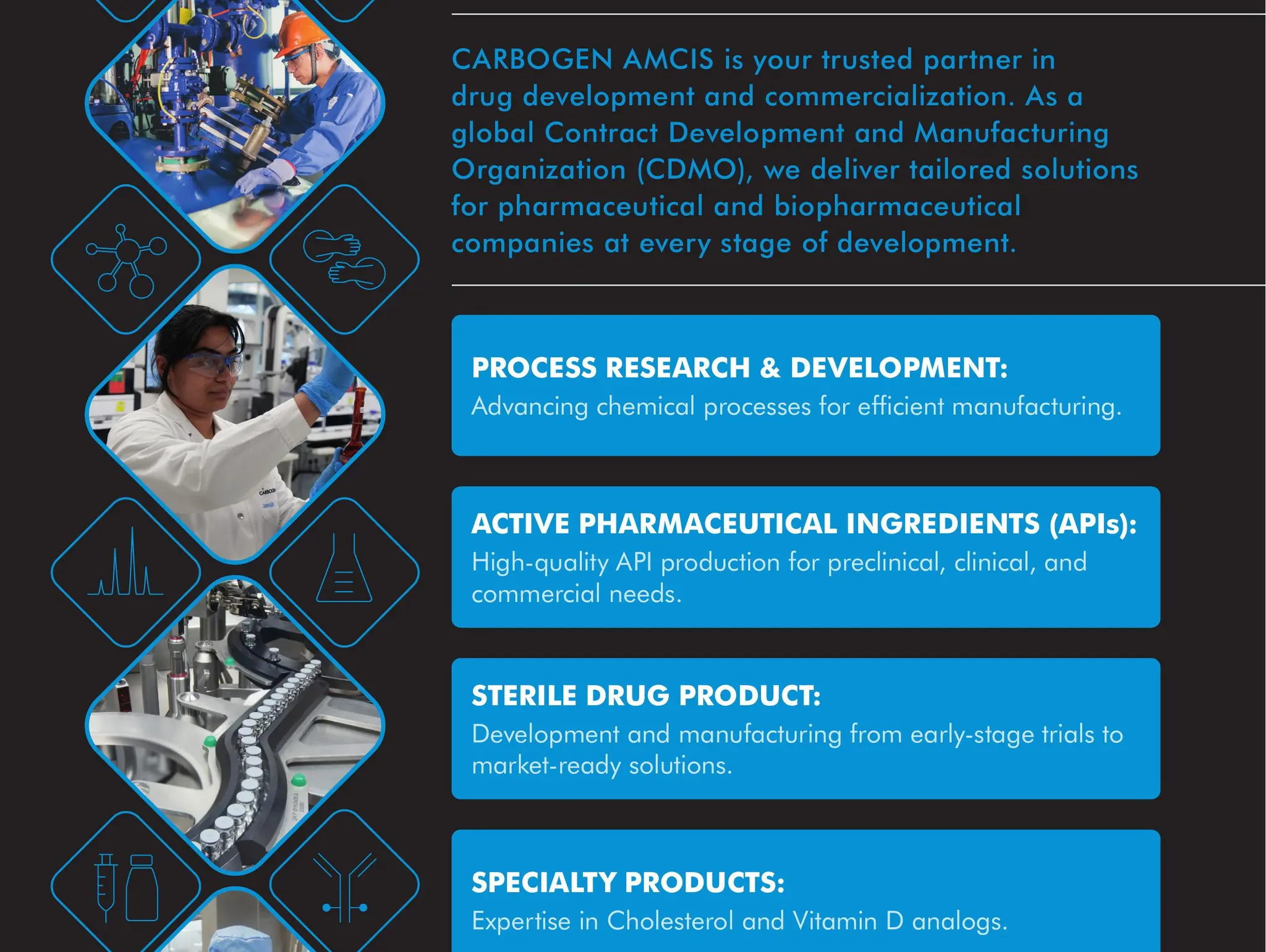
CARBOGEN AMCIS
www.carbogen-amcis.com

Innovations in Pharmaceutical Technology (IPT)
IPT provides a platform for cutting-edge ideas, concepts, and developments shaping the future of pharmaceutical R&D.