Lab Design
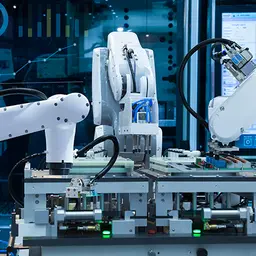
Innovations in pharmaceutical Laboratory Automation Including Smart Workstations, Robotic Systems, Digitalising Laboratories, Automated Storage and Retrieval Systems

As workforce turnover reshapes the industry, how can organisations preserve the knowledge that drives scientific progress?

In high-mix environments, inspection systems must first be flexible – everything else builds on that foundation

Life sciences labs generate enormous volumes of equipment and environmental data, yet many teams still struggle to translate signals into timely, confident action. Agentic artificial intelligence systems can reason within context, prioritise what matters and recommend next steps, offering a shift from reactive alerting to operational decision support.

What is the value of site-to-lab digitalisation, lab trial management systems, and end-to-end biobanking and specimen life cycle management in improving clinical labs?

How are modern pharma labs being designed with practicality and connectivity to ensure streamlined processes and happy staff?

How can the introduction of automation in fluid management systems improve biopharma manufacturing?

How are emerging design principles like operational insight, molecular infrastructure and human-centred design reshaping safety, agility and performance across the life sciences landscape?

How is artificial intelligence being utilised in labs to synthesise design and workloads?
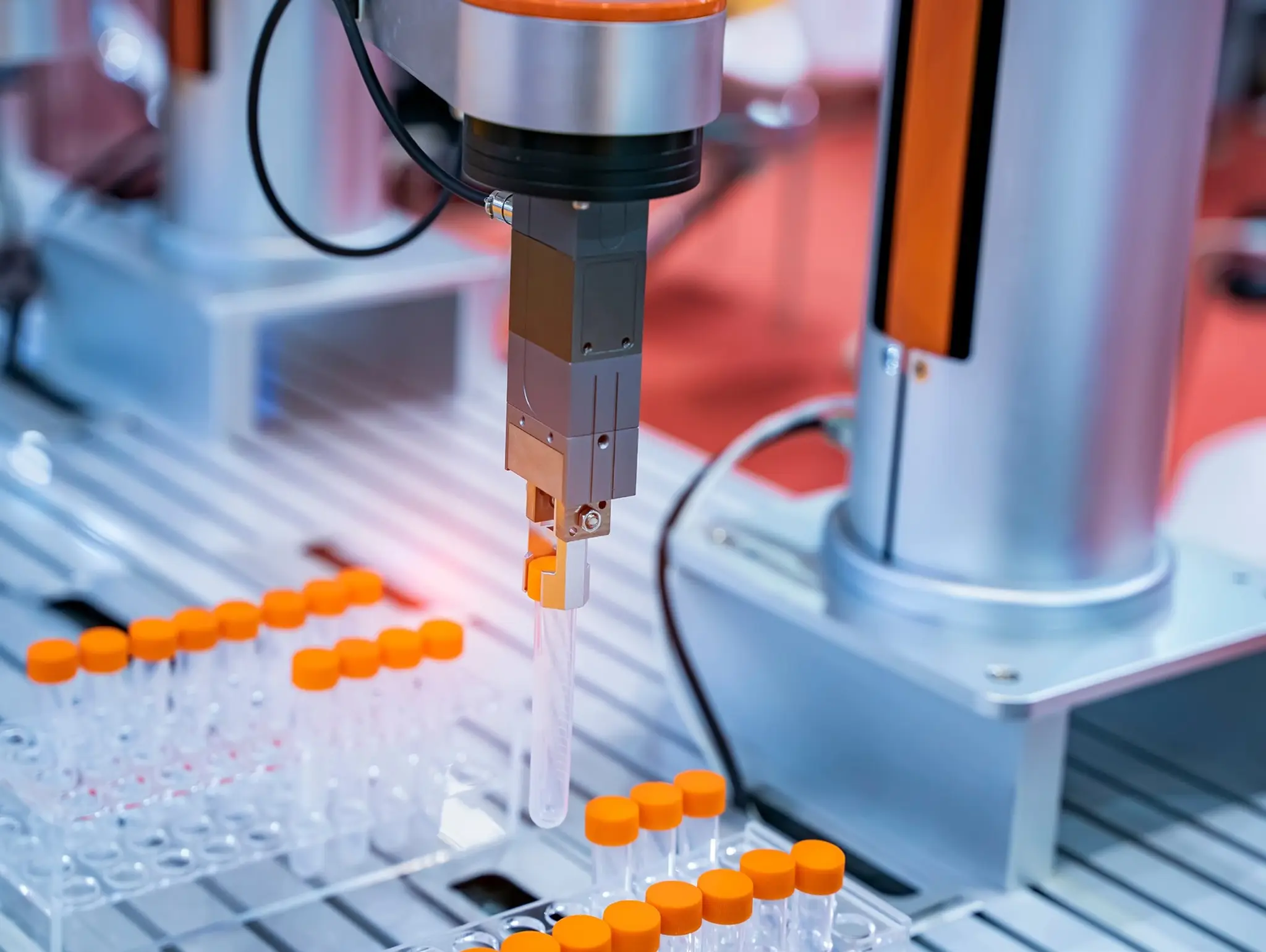
How is the industry translating the potential of automated technologies into practical, flexible and scalable workflows that address the real-world challenges of modern laboratories, ensuring that innovation delivers measurable scientific and operational gains?
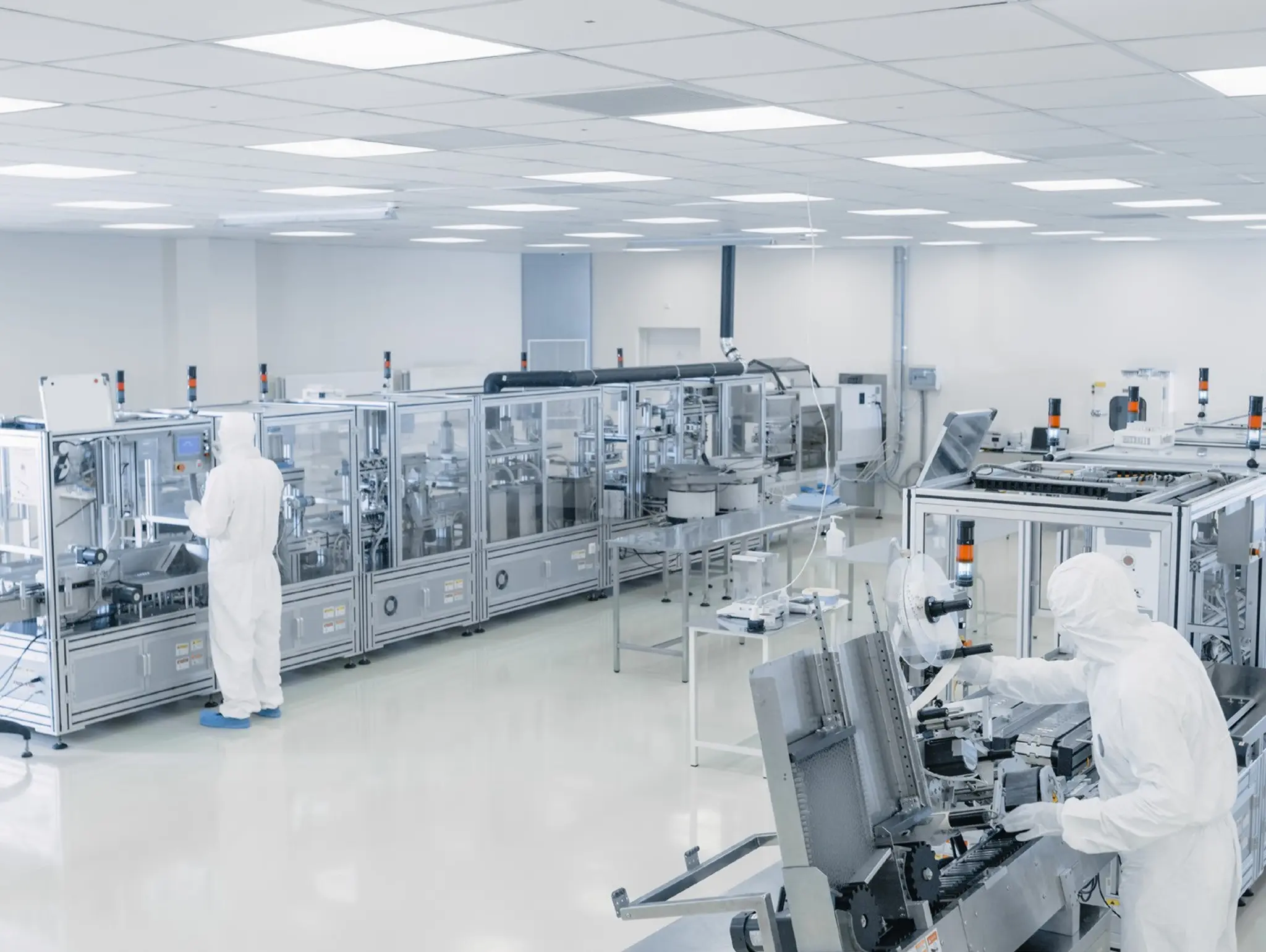
In an era of cost-conscious innovation, including tighter budgets, talent shortages and escalating regulatory demands, life sciences labs are under pressure to improve performance while managing budgets more wisely. By focusing on equipment utilisation and asset intelligence, labs can reduce downtime, avoid unnecessary purchases, optimise maintenance intervals and scale smarter – all without compromising quality or compliance
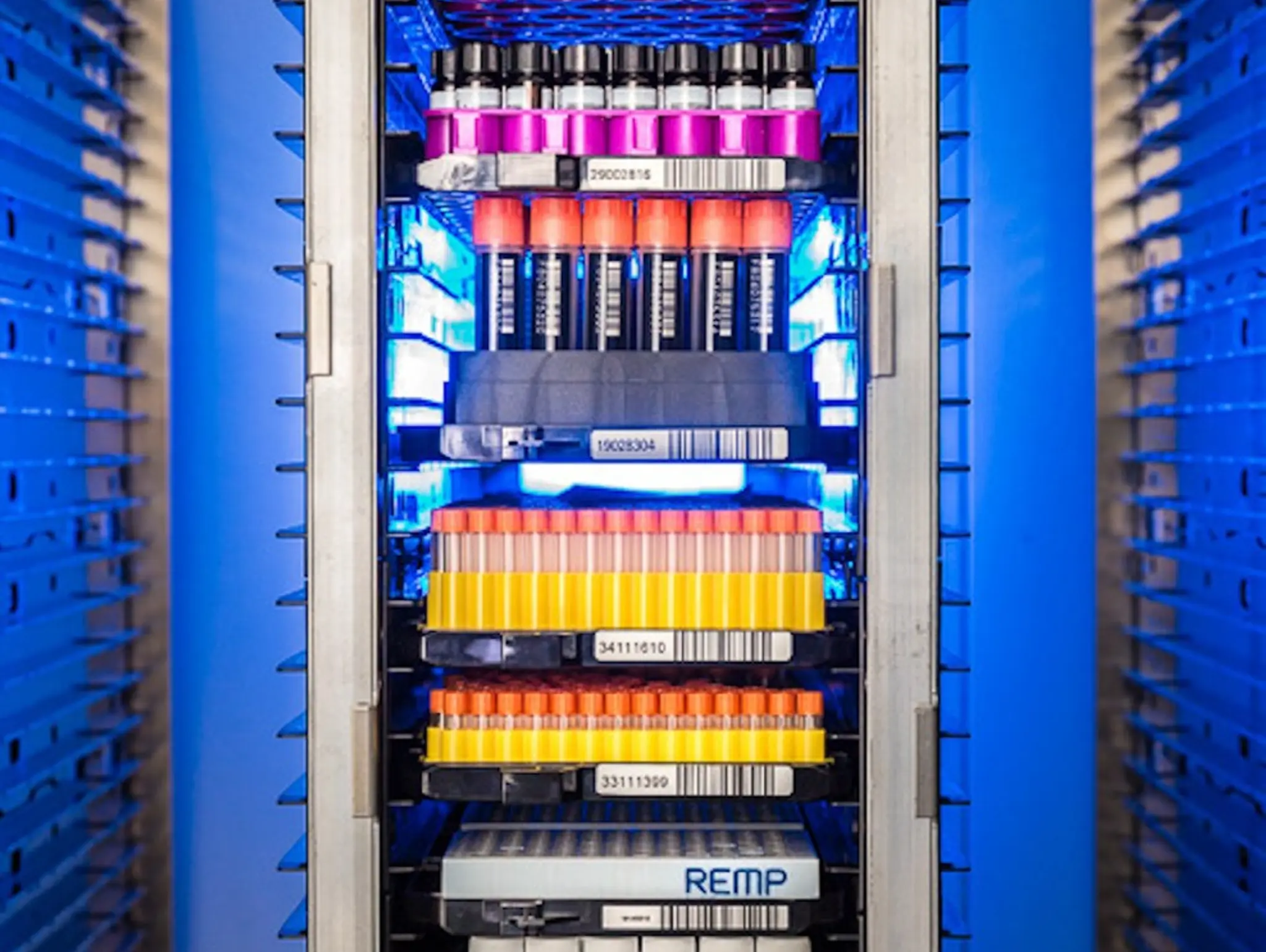
As the need for ultra-low temperature sample storage rises, many labs are stuck expanding outdated ‘freezer farms’ to meet demand. High-density automated cold storage offers a smarter, more efficient solution, but reaping the benefits depends on more than the technology itself – it requires thoughtful change management. How can companies approach change management to drive lasting adoption and maximise the value of automation?
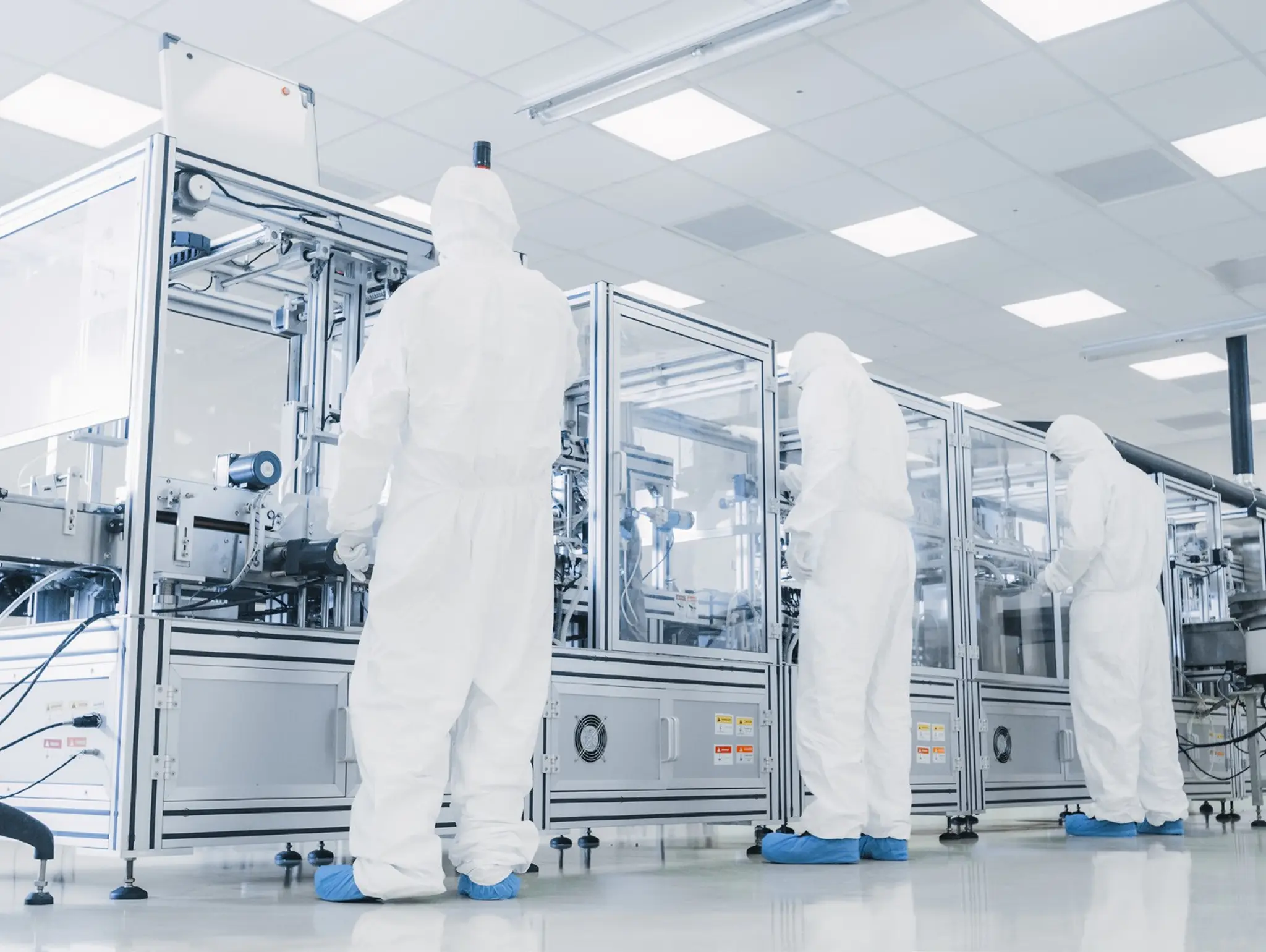
IPT talks to David Fuller at Artificial Inc about how automated labs are revolutionising the pharma R&D space by connecting disparate systems, easing the burden of manual tasks on workers, and speeding up time-to-market with tools such as artificial intelligence

Innovations in Pharmaceutical Technology (IPT)
IPT provides a platform for cutting-edge ideas, concepts, and developments shaping the future of pharmaceutical R&D.