
Published on 14 July 2026
Description:
Welcome to the Summer issue of IPT, an issue that has been great to jump into as an interim editor of the publication! As the industry events slow down in the hotter months, IPT does no such thing and this issue demonstrates perfectly how pharmaceutical technology continues to innovate.
Preview:

26 articles from this collection:

Innovations in Pharmaceutical Technology
SPRINT

CONTENTS
Summer 2026

EDITORIAL DESK
Welcome to the Summer issue of IPT, an issue that has been great to jump into as an interim editor of the publication! As the industry events slow down in the hotter months, IPT does no such thing and this issue demonstrates perfectly how pharmaceutical technology continues to innovate.

Tecan accelerates data-driven lab journey with agentic AI developments powered by NVIDIA
Tecan has announced the integration of Agentic artificial intelligence (AI) capabilities into its lab analytics platform Introspect, leveraging NVIDIA BioNeMo Agent Toolkit. The NVIDIA BioNeMo Agent Toolkit enables AI agents to access scientific AI capabilities directly within the Introspect platform, helping laboratories to optimise operations. Agentic AI will allow laboratories to move beyond traditional monitoring and reactive troubleshooting towards proactive actions that
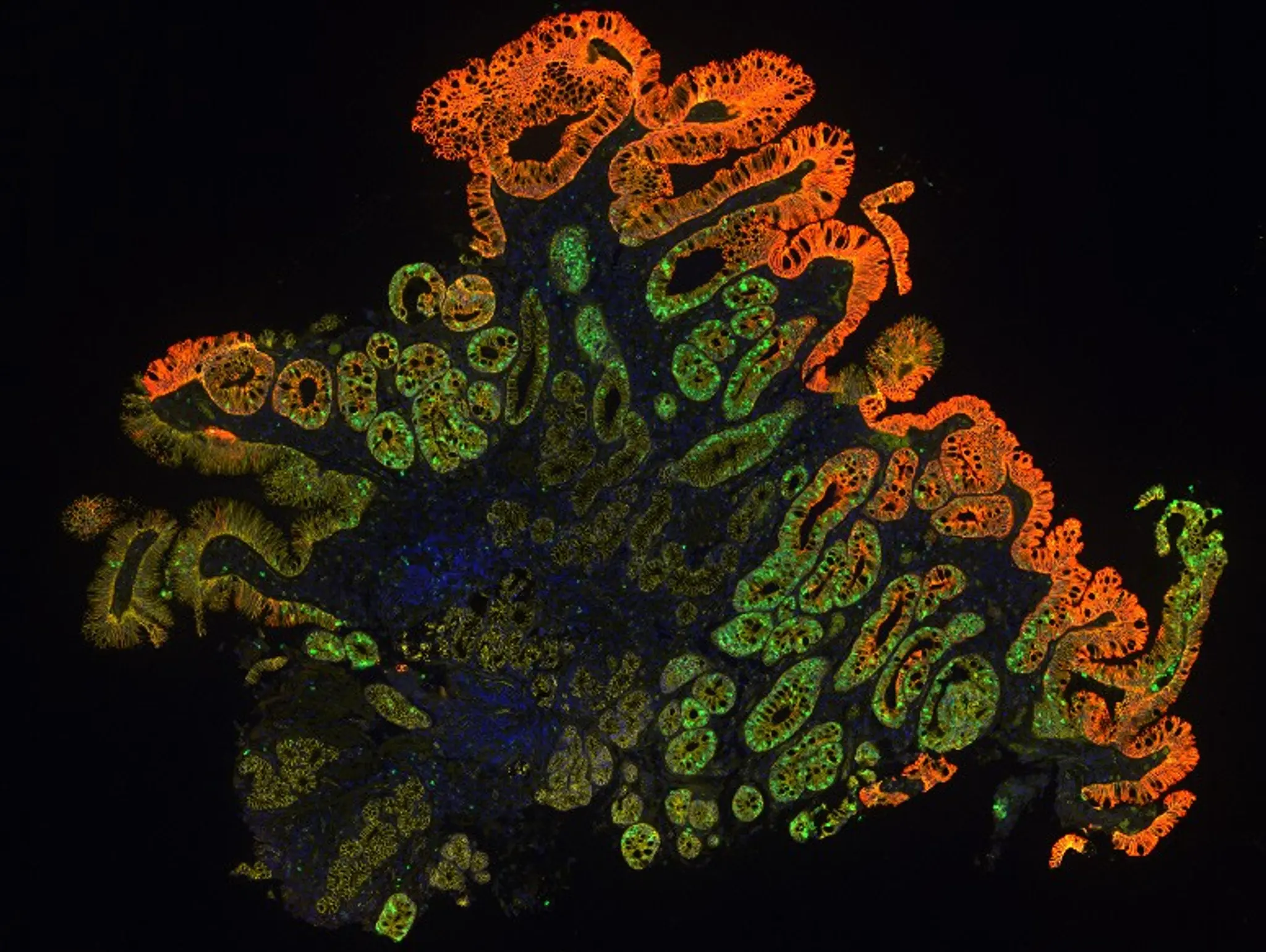
From sample to insight: how spatial biology is transforming cancer prognosis and clinical research
Spatial biology is moving from research curiosity to clinical reality – and the results are already changing how we understand and treat disease. The key to unlocking its full potential lies in automated, reproducible, end-to-end workflows that turn tissue complexity into clear, actionable decisions

De-risking gene therapy development through efficient stress testing of viral vectors
Could next-generation analytical technologies unlock faster, more informative stress testing for viral vectors?

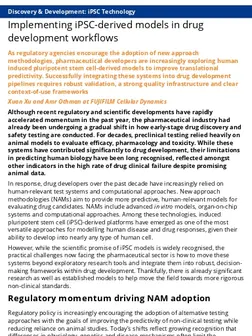
Implementing iPSC-derived models in drug development workflows
As regulatory agencies encourage the adoption of new approach methodologies, pharmaceutical developers are increasingly exploring human induced pluripotent stem cell-derived models to improve translational predictivity. Successfully integrating these systems into drug development pipelines requires robust validation, a strong quality infrastructure and clear context-of-use frameworks

Cell-based workflows: the missing data layer in AI-enabled drug discovery
Can artificial intelligence truly transform drug discovery without equally transforming the biology and data that underpin it?
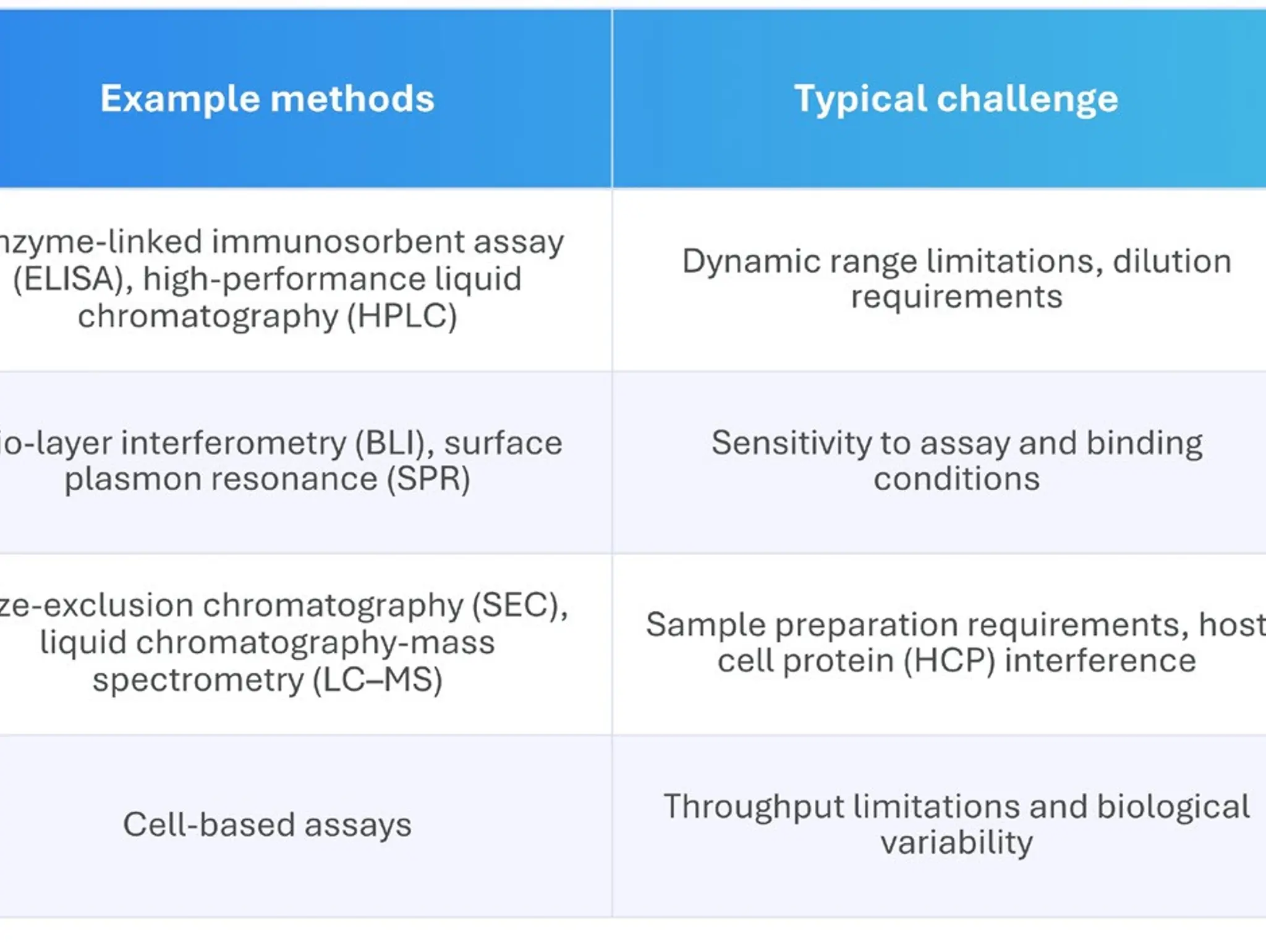
Fit-for-purpose measurement in drug development
Analytical measurement in drug development spans multiple attributes, from concentration and binding to quality, impurities and function. Aligning these measurements with workflow needs is critical for enabling timely and confident decision-making
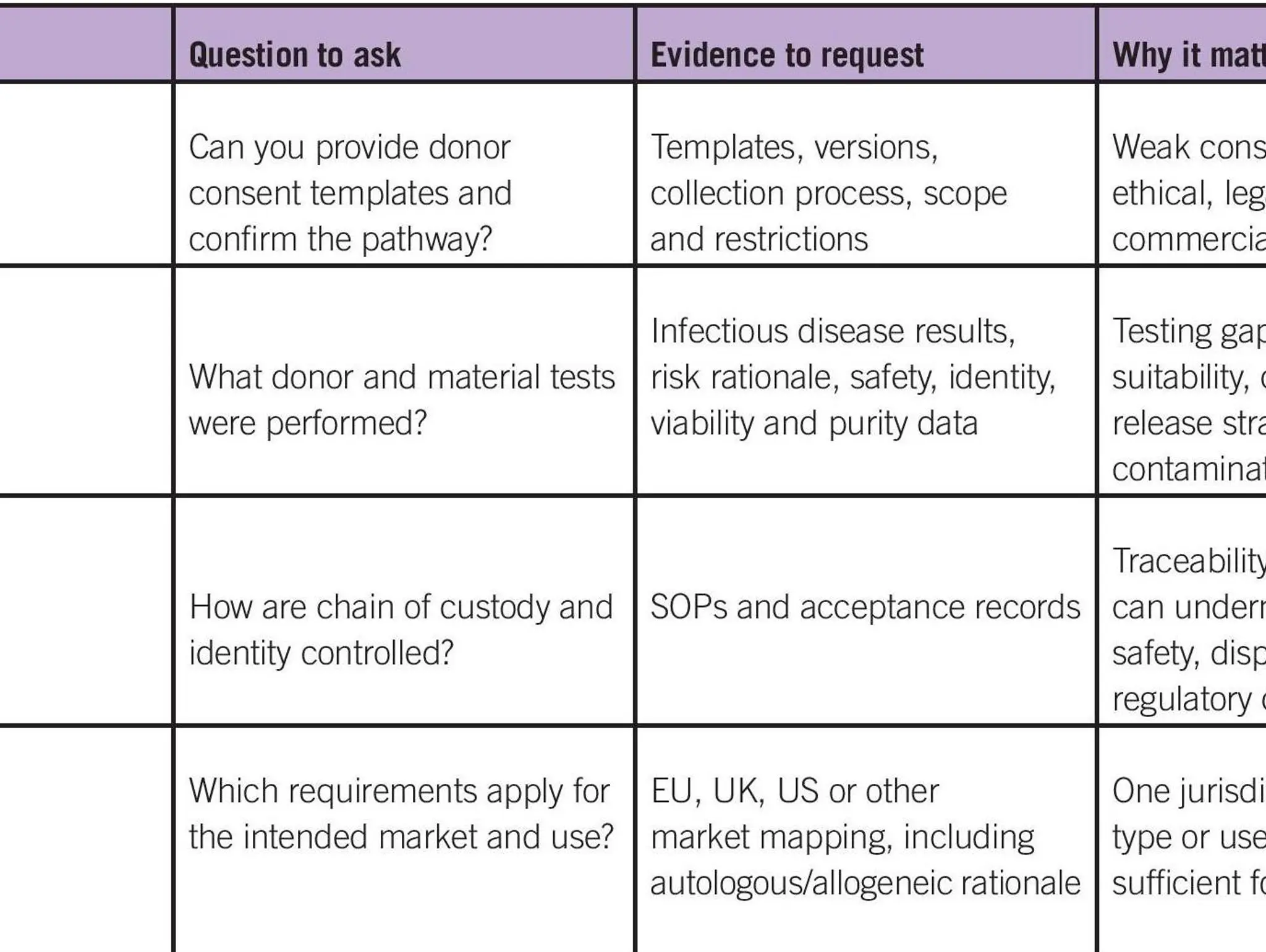
Starting material: the forgotten building block of CGT manufacturing
Donated human cells are the starting point for most cell and gene therapies. Before accepting a vial, bag or tissue sample, cell and gene therapy developers should ask three questions: is donor consent fit for purpose; was the right testing performed; and can chain of custody and chain of identity be reconstructed end to end?
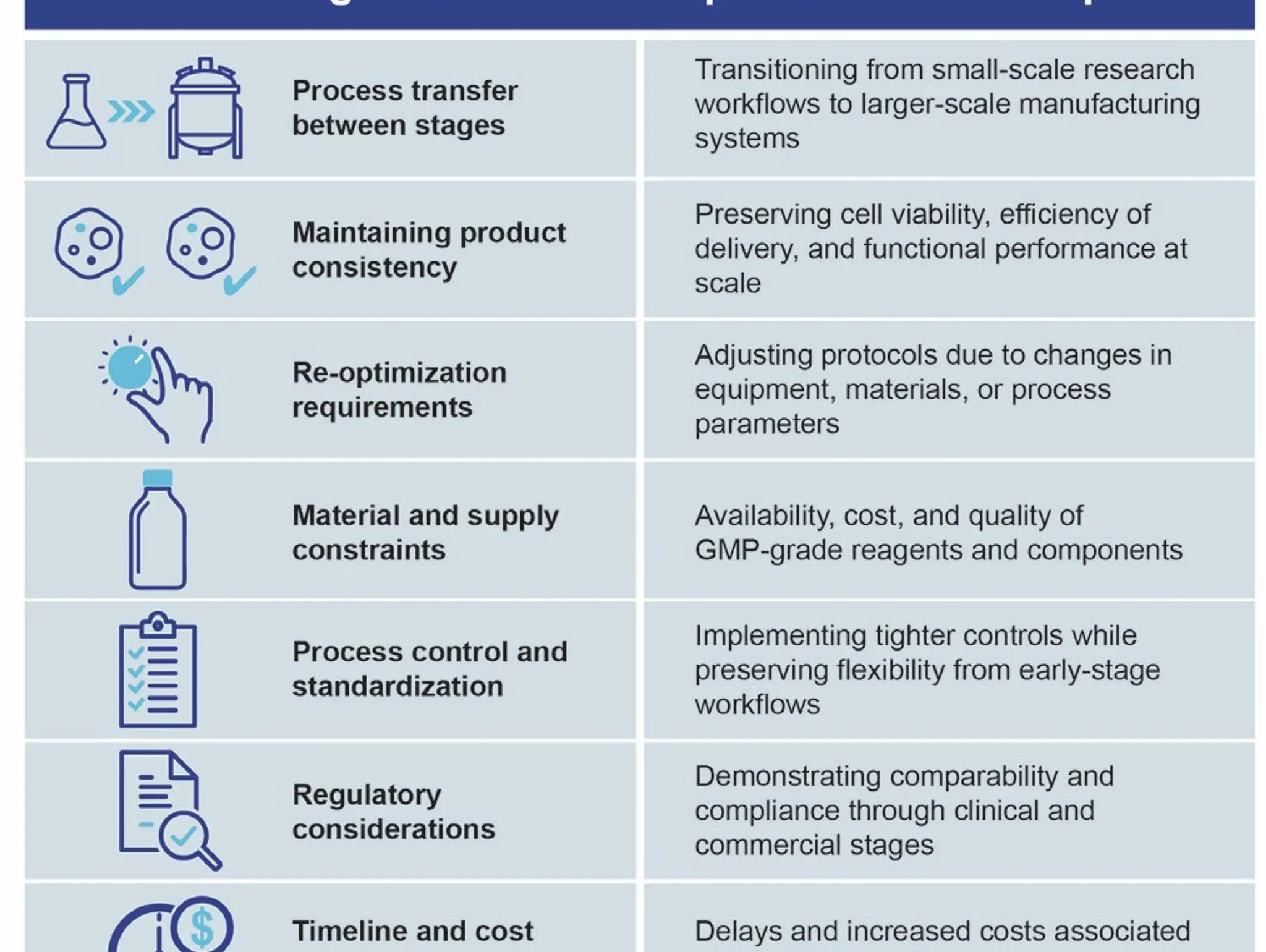
From concept to clinic – partnering to scale up cell and gene therapies
How can the industry bridge the gap between cell and gene therapy innovation and reliable large-scale manufacturing?
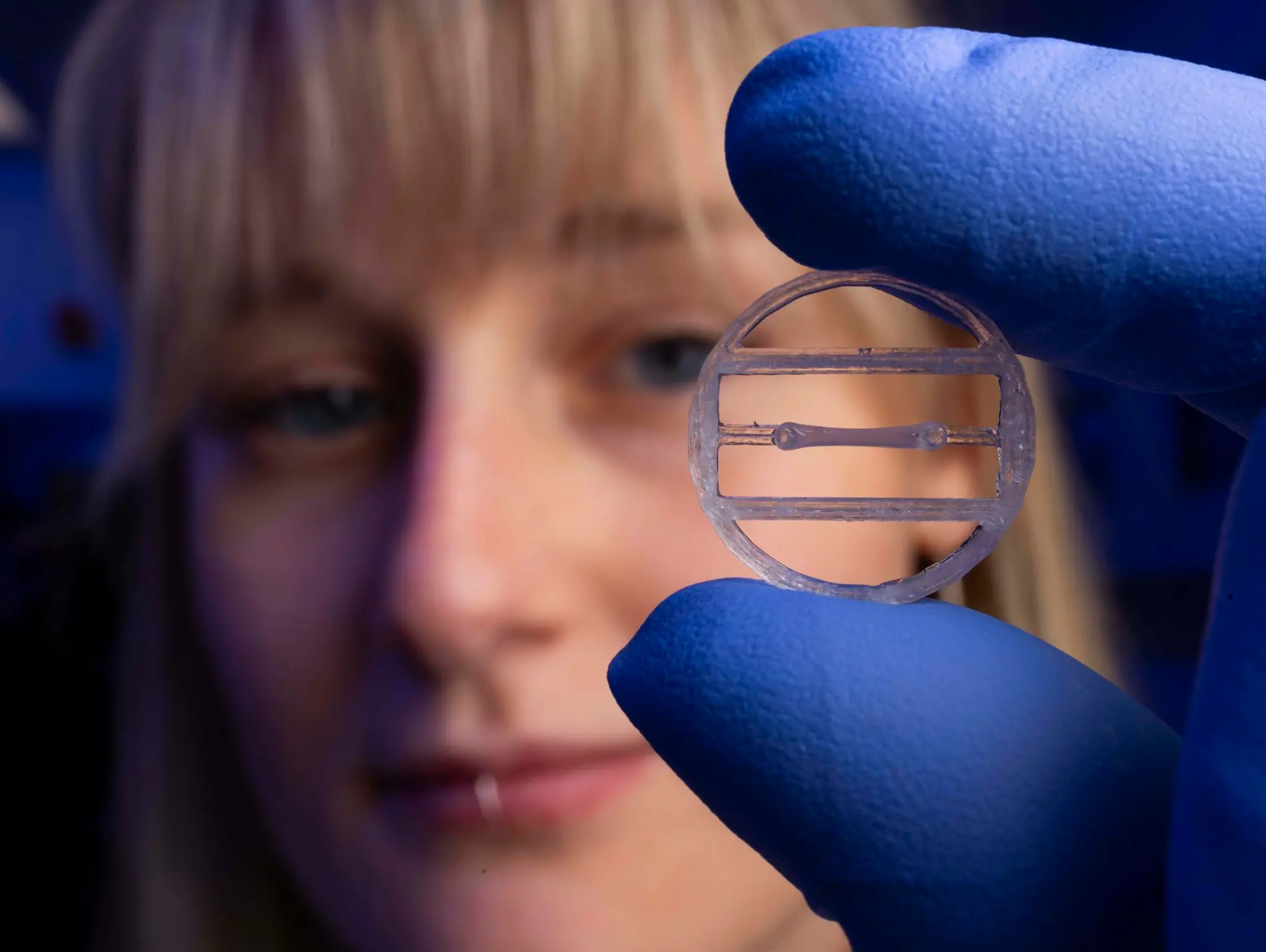
How human tissue models could transform preclinical drug development
Animal testing in drug development is facing growing pressure as scientists and regulators adopt more human-relevant alternatives. Despite decades of reliance on animal studies, more than 90% of drugs that pass preclinical testing still fail in human trials. Advances in biotechnology, particularly human muscle models grown from real tissue, offer a promising alternative by more accurately mimicking human physiology

Integrated dissolution-absorption testing: a strategic imperative for establishing generic
In the fast-paced, competitive world of generics manufacturing, processes such as integrated dissolution-absorption testing can mean the difference between first to market and obscurity

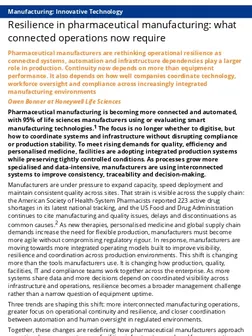
Resilience in pharmaceutical manufacturing: what connected operations now require
Pharmaceutical manufacturers are rethinking operational resilience as connected systems, automation and infrastructure dependencies play a larger role in production. Continuity now depends on more than equipment performance. It also depends on how well companies coordinate technology, workforce oversight and compliance across increasingly integrated manufacturing environments

CPHI
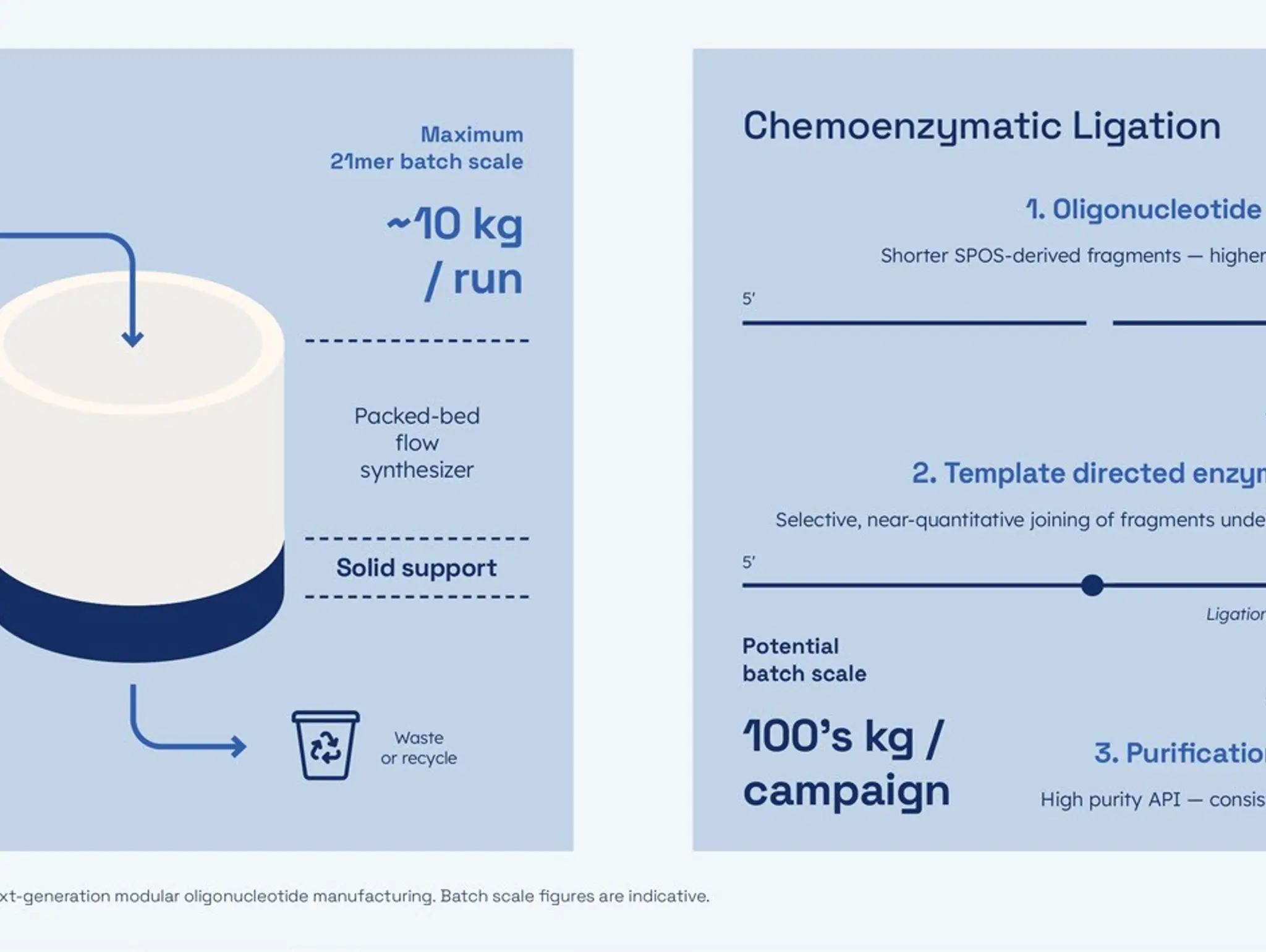
Scaling oligonucleotide manufacturing for the cardiometabolic era
A wave of small interfering RNA therapeutics targeting prevalent cardiometabolic diseases is anticipated to drive active pharmaceutical ingredients demand beyond the scale that existing manufacturing models were designed to support. Meeting this demand will require coordinated advances in manufacturing technology and supply chain structure alongside substantial investment in global production capacity

A new kind of blockbuster: could autonomous manufacturing transform pharma?
Will the next generation of blockbuster therapies be won by science alone or by the speed of manufacturing execution?

The manufacturing executive’s new shield: closing the records liability gap
As regulators increasingly focus on individual accountability, can manufacturing leaders afford to treat data governance as a back-office function?

Reinventing cell therapy manufacturing with microfluidics: from cure to care
As more and more cell therapies move from experimental treatments to commercial realities, manufacturing remains the primary bottleneck to patient access

Getting AI right in drug discovery: why data quality is a scientific integrity issue
Every artificial intelligence-assisted conclusion that makes it outside the walls of an R&D organisation is a scientific claim that eventually has to stand on its own

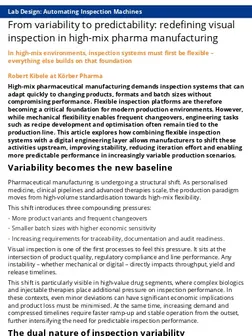
From variability to predictability: redefining visual inspection in high-mix pharma manufacturing
In high-mix environments, inspection systems must first be flexible – everything else builds on that foundation

Silence and noise: twin threats to scientific resilience in biopharma R&D
As workforce turnover reshapes the industry, how can organisations preserve the knowledge that drives scientific progress?

EVENTS

The Greatest processing & packaging show

BIO-Europe

Innovations in Pharmaceutical Technology (IPT)
IPT provides a platform for cutting-edge ideas, concepts, and developments shaping the future of pharmaceutical R&D.